
How a Product Actually Gets Made.
Every Gondel project moves through the same stages: study the reference, sketch the concept, test the material, build a sample, refine it, produce it. These are real projects, stage by stage.
From a Reference Tote to a Signature Beach Bag.
JAIS Turks & Caicos brought us a tote they had bought locally. Seven stages later they had their own: larger, structured, with bottle pockets and the brand's own colors.
-
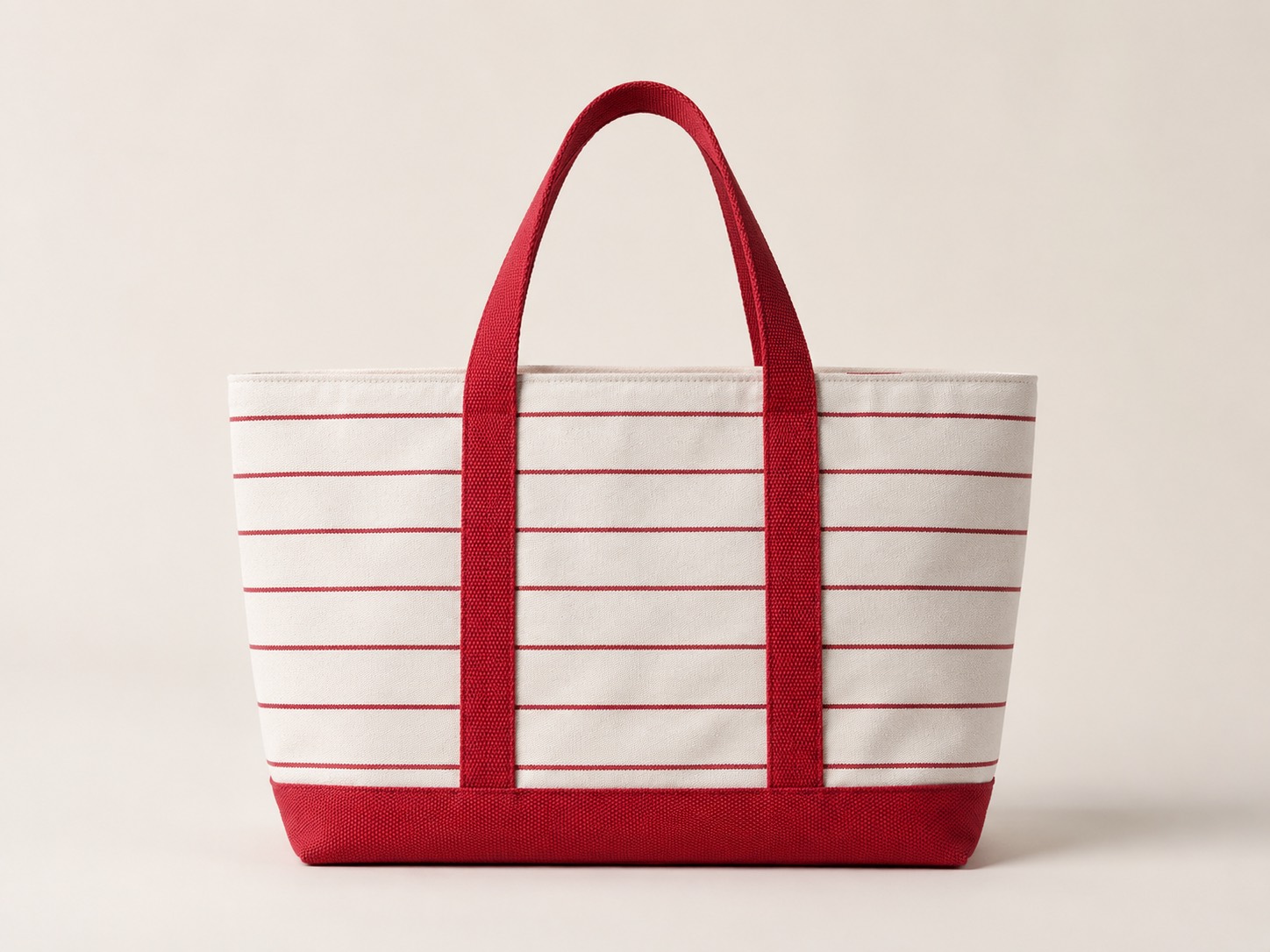 01
01The Starting Point
The client shared a tote purchased locally as a reference. We studied its shape, materials, and overall look to understand what they wanted to keep and what could be improved.
-
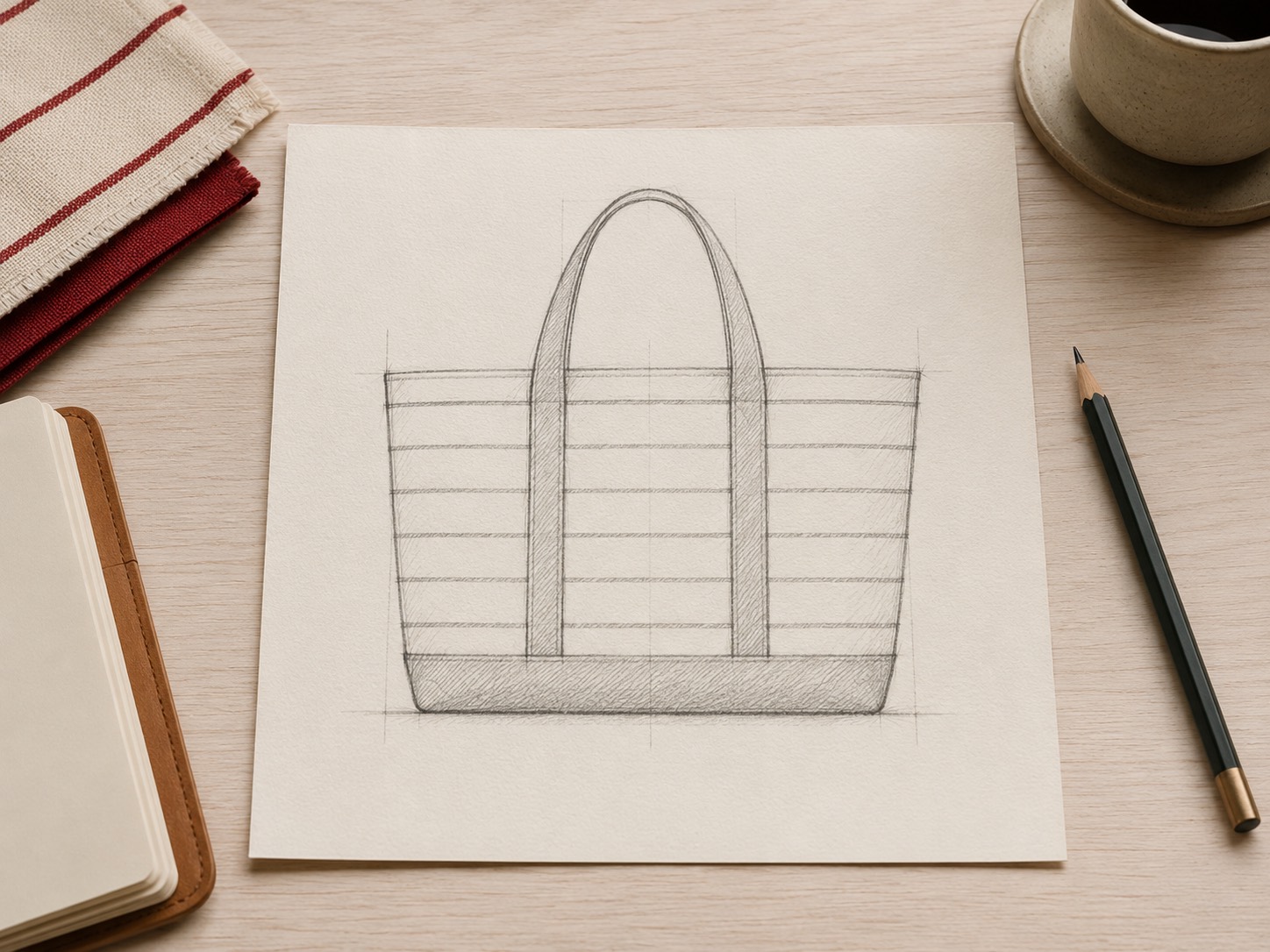 02
02First Concept
Using that reference, we created the first sketch. The goal was to preserve the original character of the tote while adapting it into a custom product for JAÏS.
-
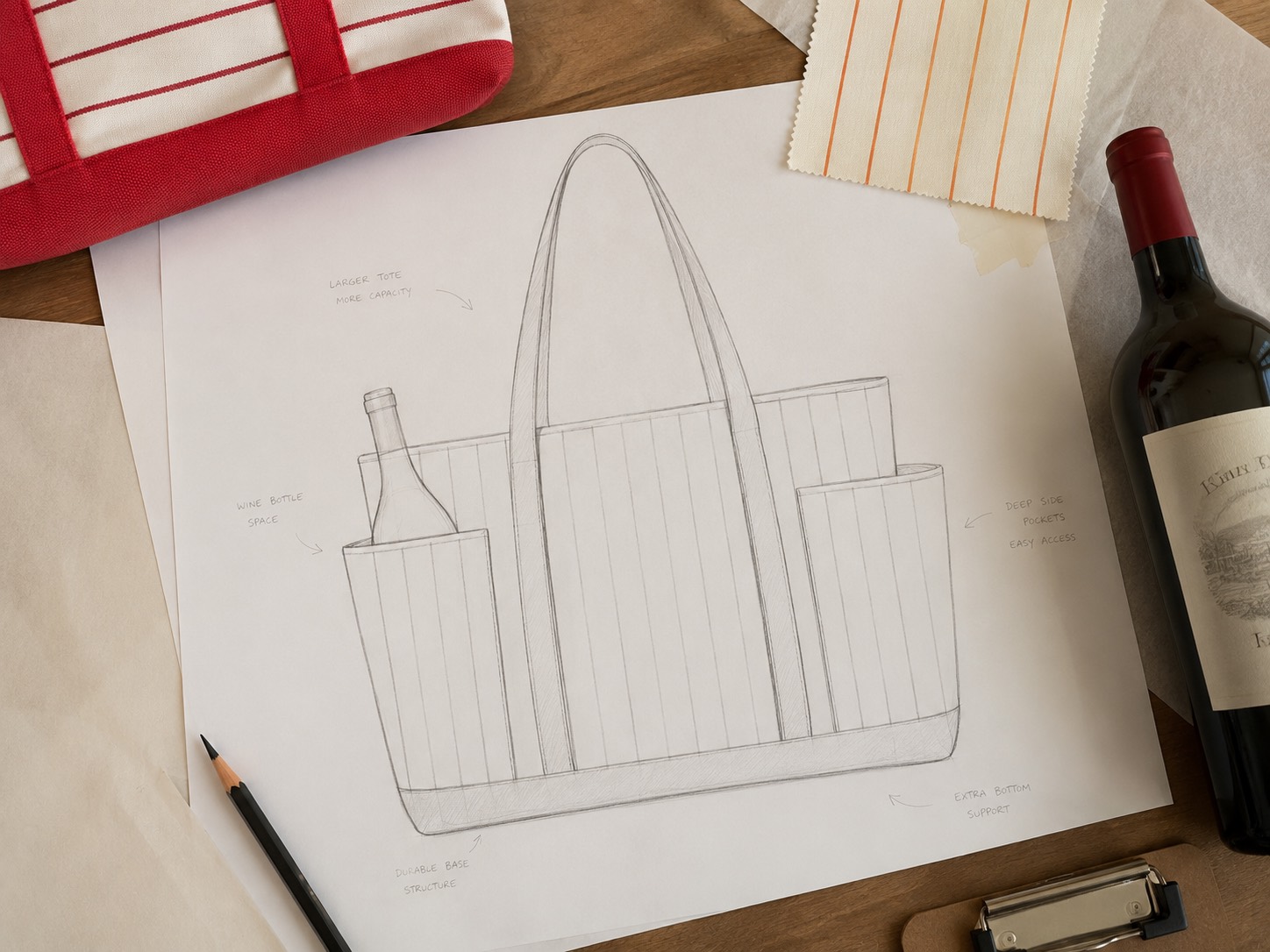 03
03Designed for More
After reviewing the concept, the client requested a larger size and spacious exterior pockets. The pockets were designed to comfortably hold wine bottles and other everyday items.
-
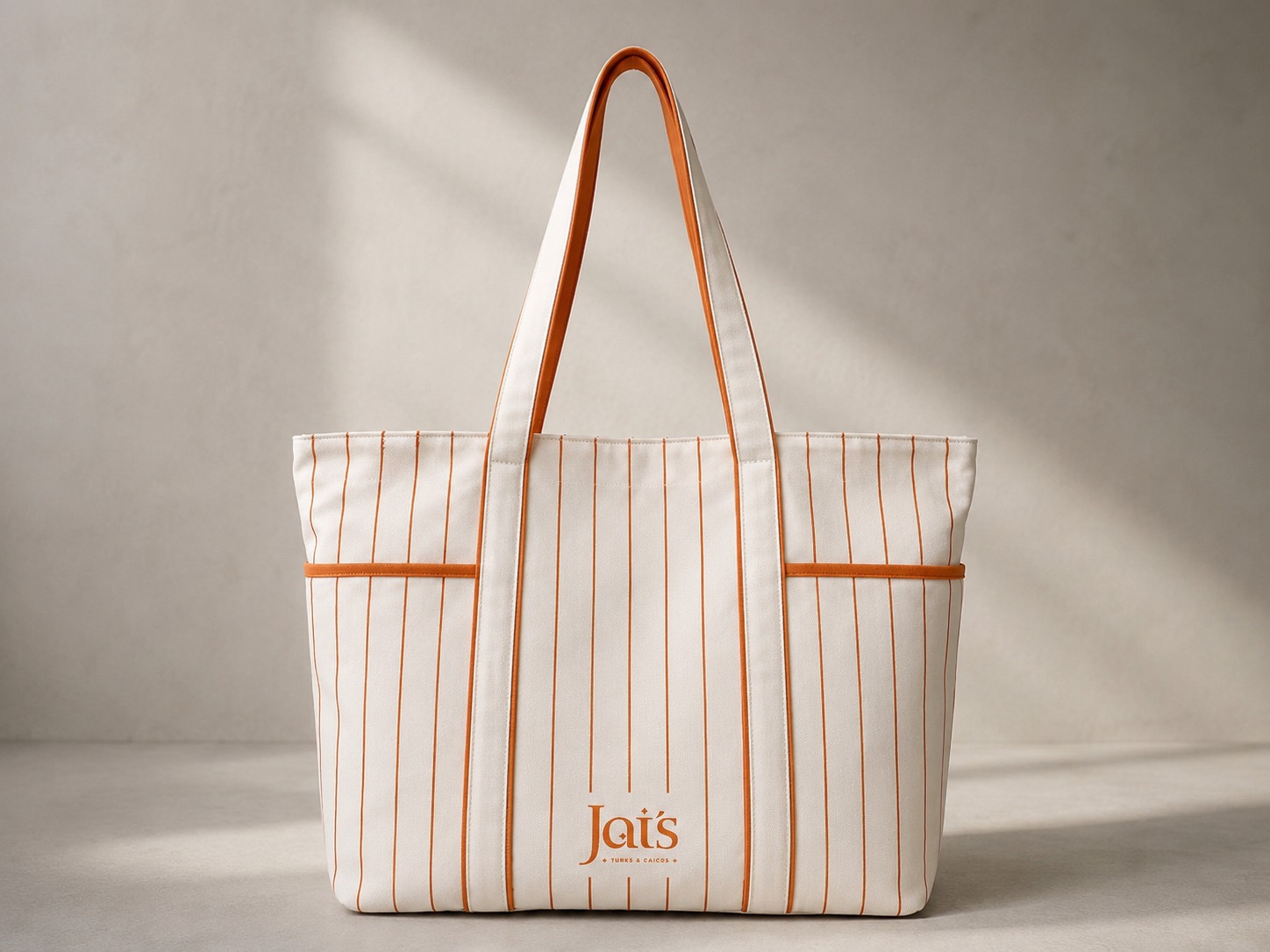 04
04The First Sample
We produced the first physical sample to review the proportions, construction, pocket capacity, colors, and branding before developing the final version.
-
 05
05A New Direction
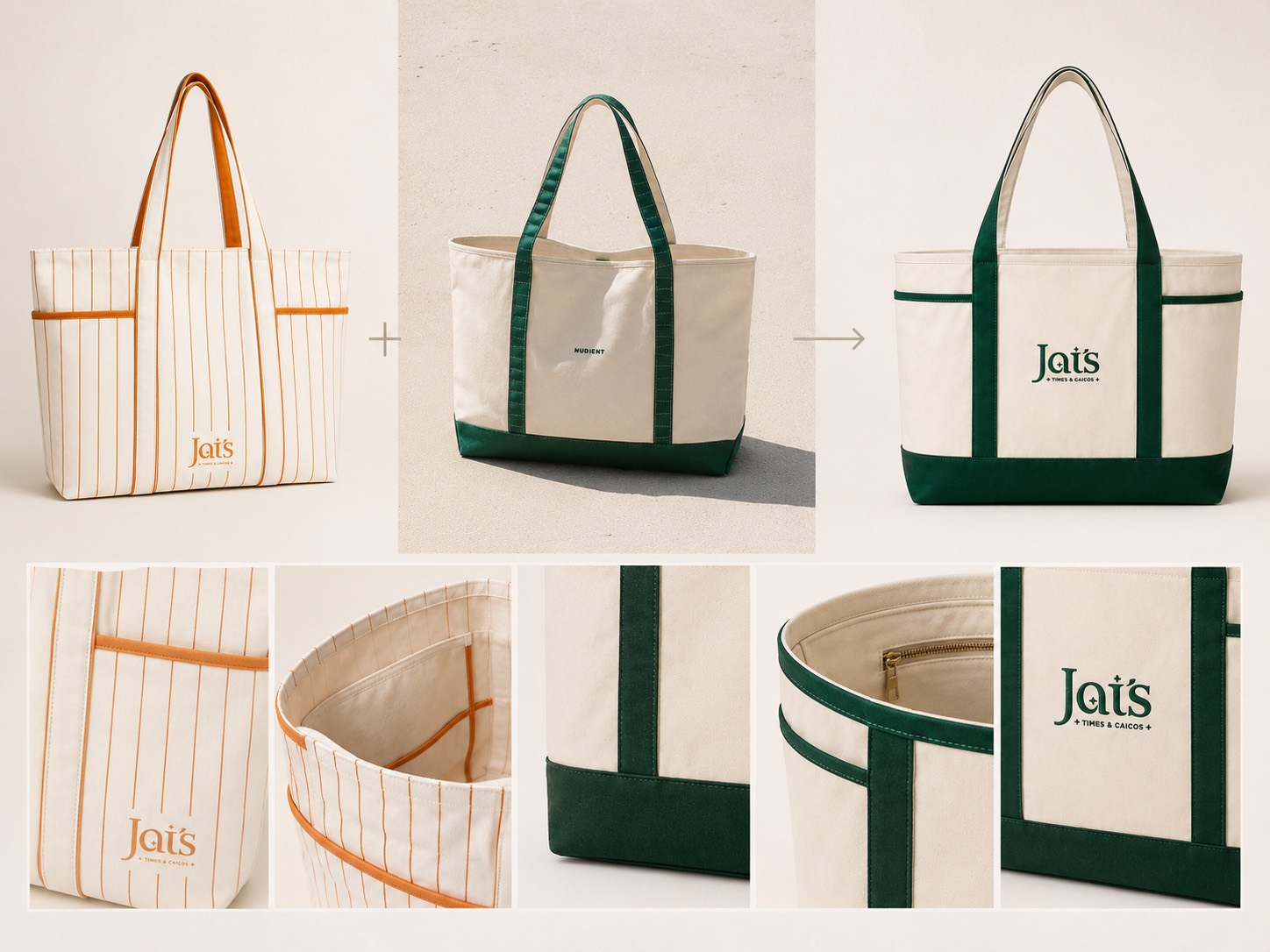
The client's team liked the structure of the sample but fell in love with the clean look and dark green details of another tote. We decided to combine the best parts of both.
-
 06
06Final Design Development
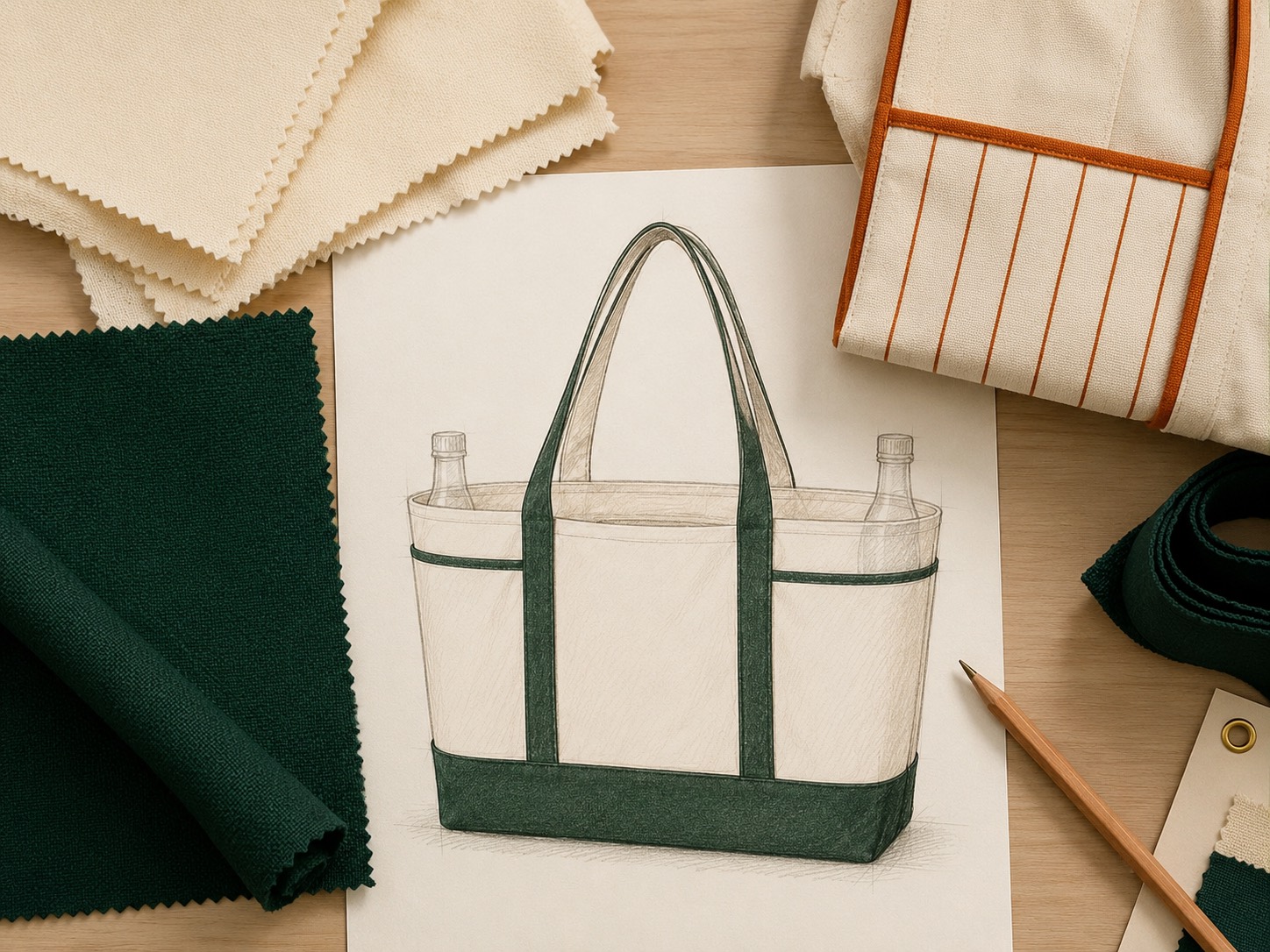
We refined the sketch and selected the final canvas, dark green fabric, trims, and construction details. Every element was reviewed before approving the product.
-
 07
07The Final Product
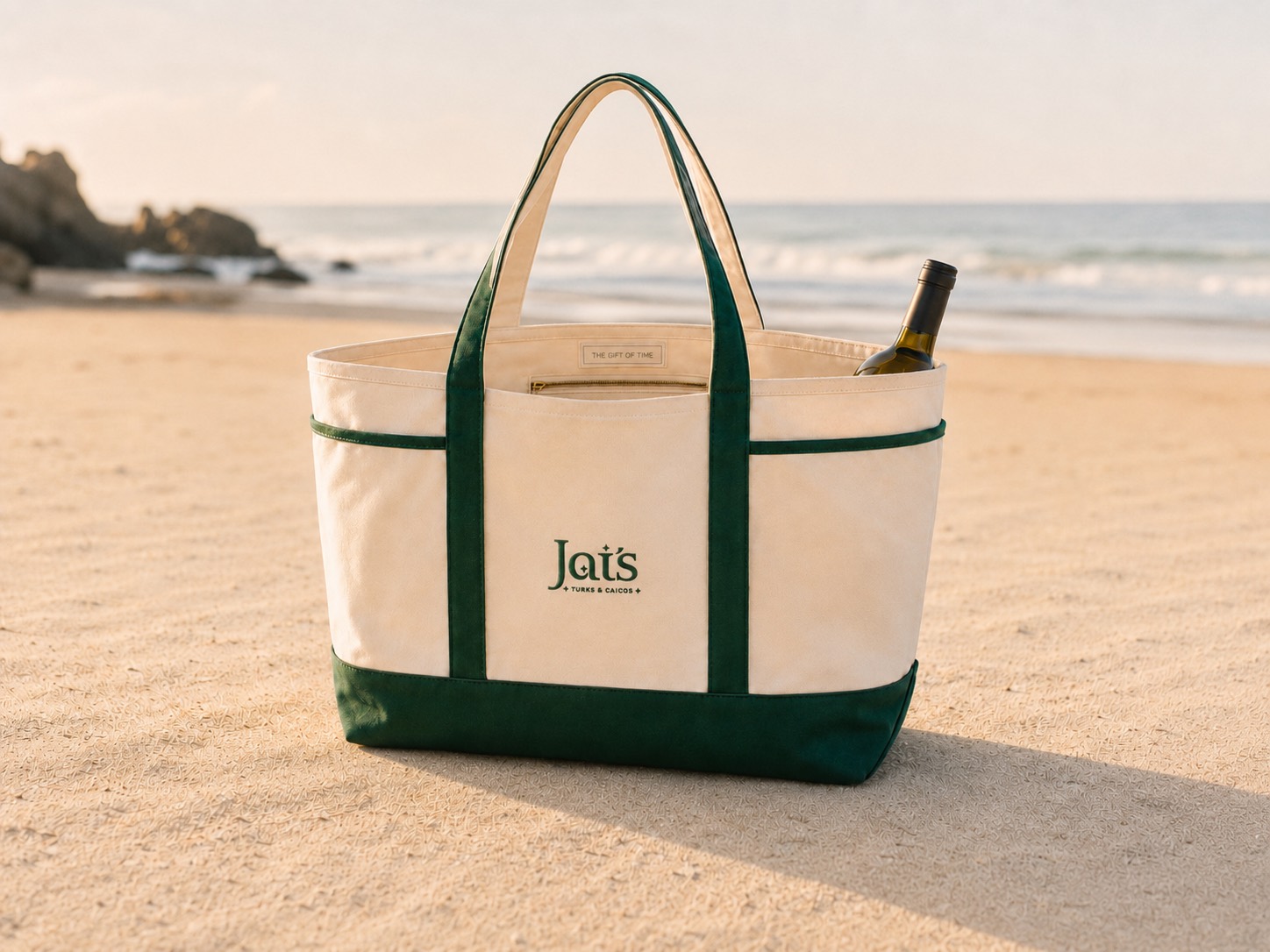
The result is a spacious JAÏS tote with functional bottle pockets, durable materials, dark green embroidered branding, and a look designed for the brand's coastal identity.
From Basic Merch to a Premium Brand Product.
GhostCat needed merchandise that matched the quality of its e-bikes. We reviewed the existing product, tested the fabric, compared better materials, and rebuilt the shirt with a stronger construction and a more premium finish.
-
 01
01The Starting Point
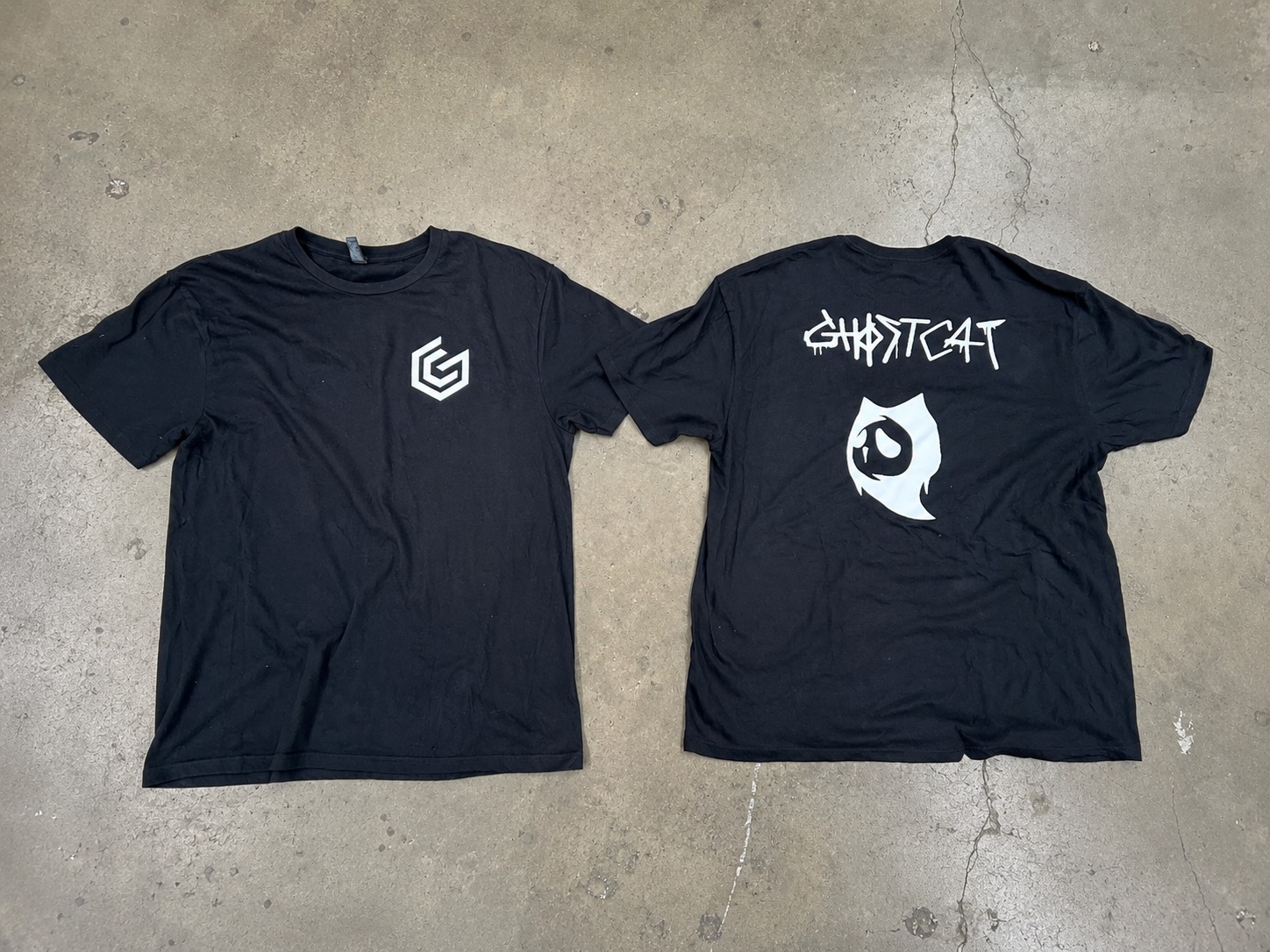
GhostCat was buying its merch locally at a high price, but the product did not reflect the quality and prestige of the brand. The shirt felt thin, fragile, and lacked structure.
-
 02
02Testing the Original Fabric
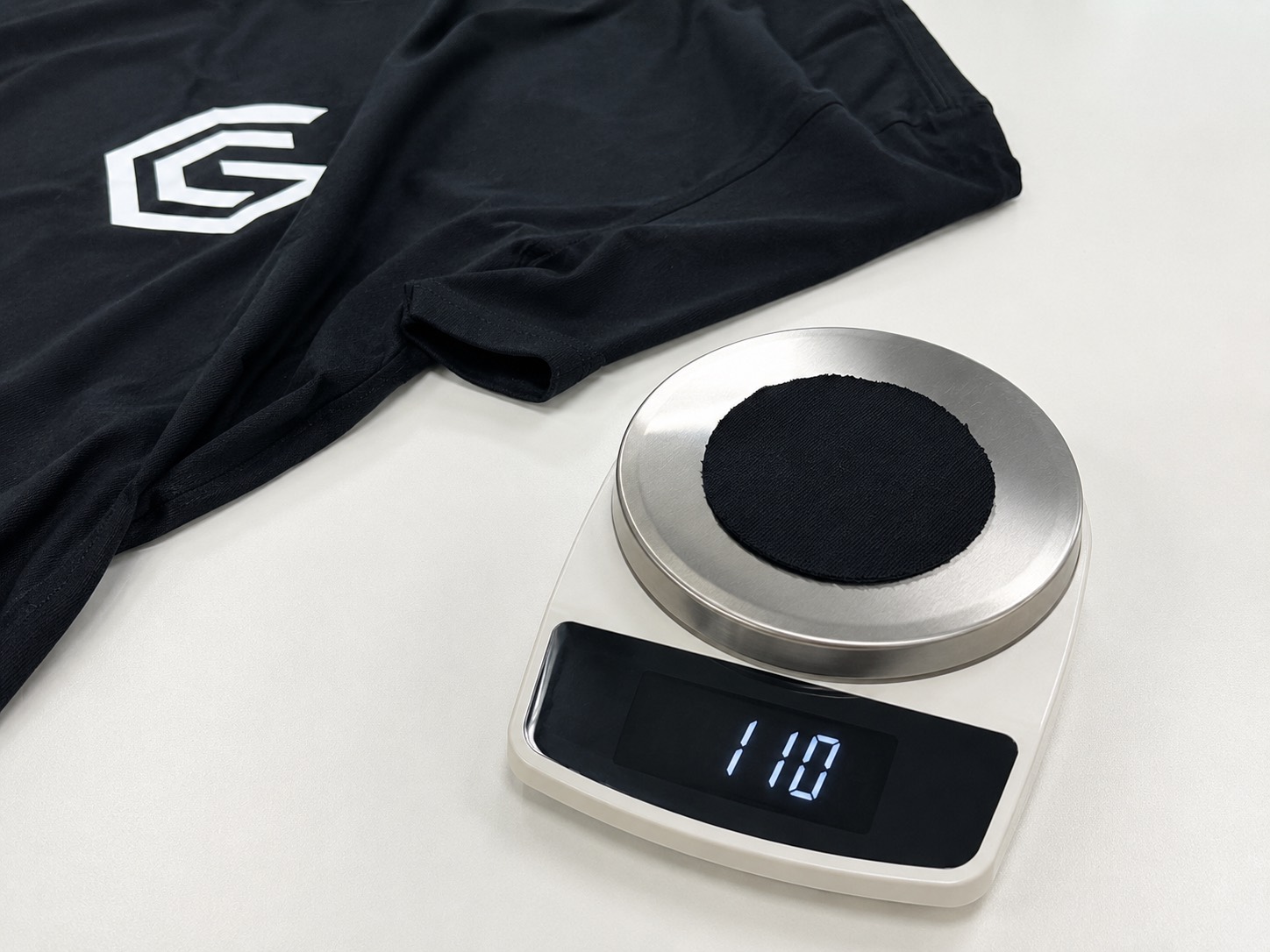
The original shirt measured only 110 GSM. Its low fabric weight and basic construction explained why it felt fragile and lost its shape easily.
-
 03
03Comparing Better Materials
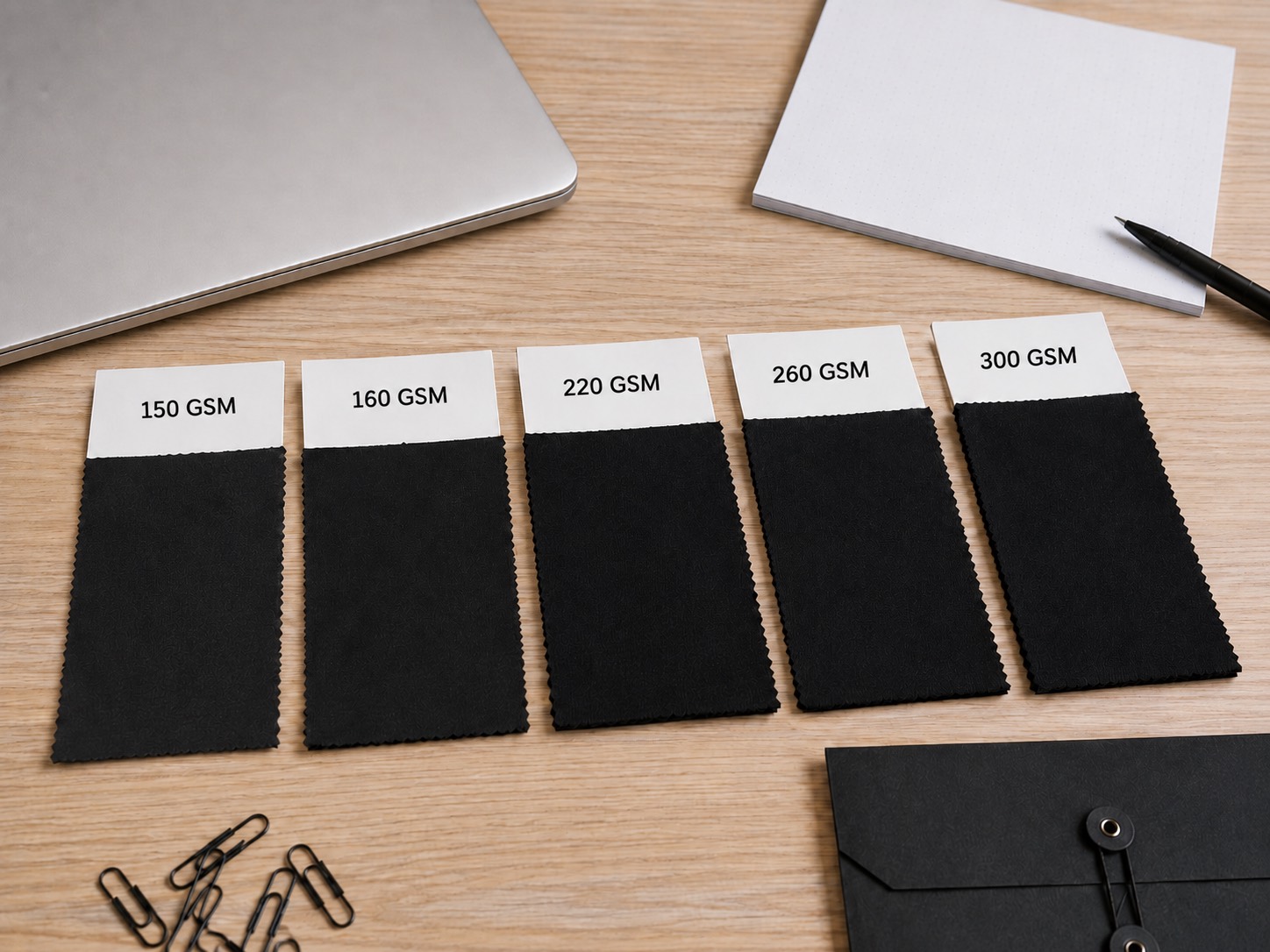
We sent cotton jersey options ranging from 150 to 300 GSM. The team compared their weight, softness, structure, and durability before selecting the right fabric.
-
 04
04The Final Product
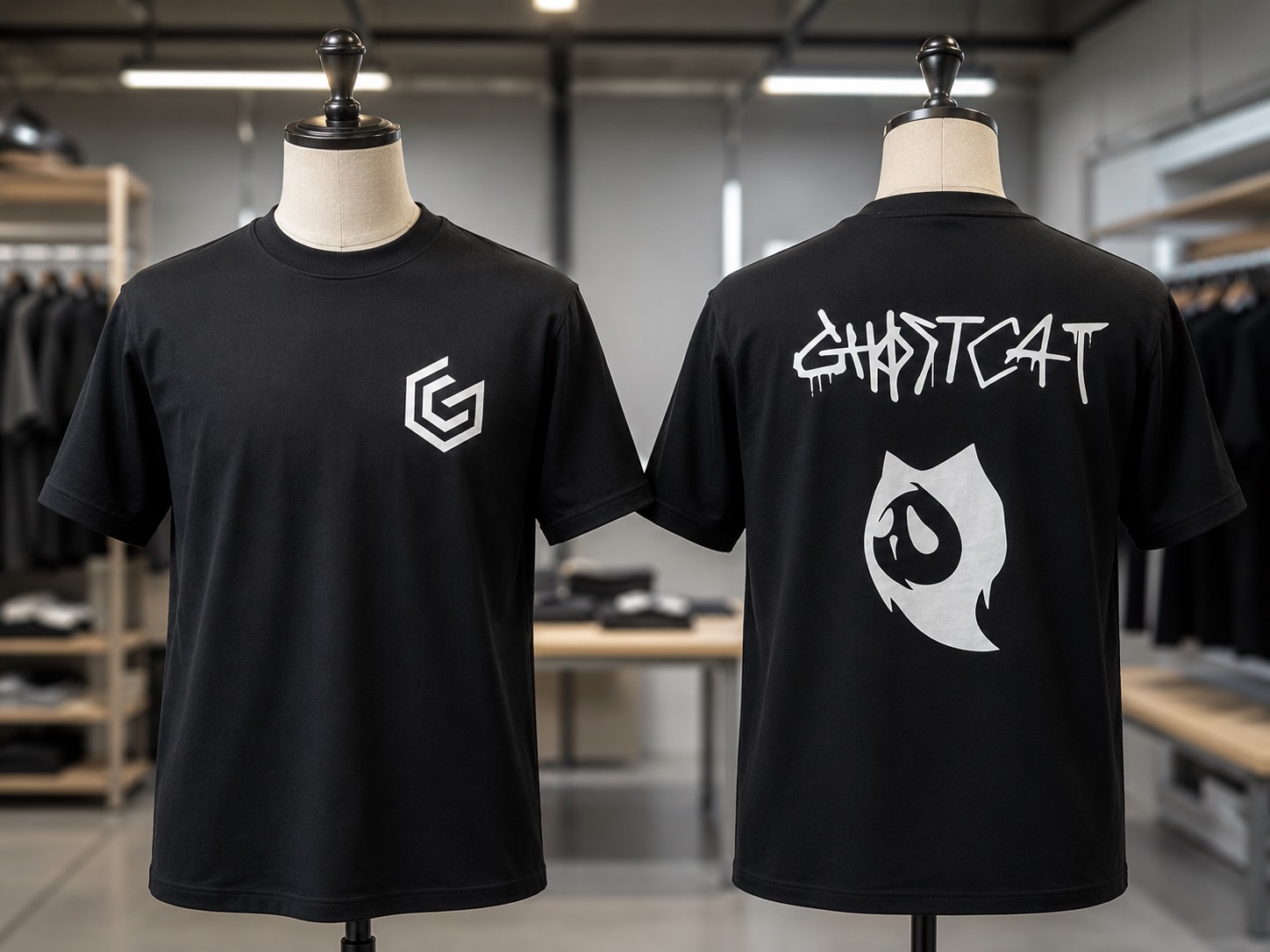
GhostCat selected a 260 GSM fabric. The final shirt delivered a firmer feel, reinforced stitching, a cleaner fit, and a finish aligned with the brand's standards.
Want This For Your Product?
Bring us a reference product, a sketch, or just the idea. We'll scope the materials, the factory fit and the next step.